Fear, effort and a new beginning, Asya Varıcıoğlu’s path from windsurfing to wing foil
National team athlete Asya Anastasya Varıcıoğlu won a Turkish title and a world championship bronze in windsurfing. Today she races in wing foil and coaches young athletes in Urla. She told Rüzgar Üstü about a sport she began while afraid of the sea, her family’s support, the friendships that drifted away and the period when she thought she had quit for good.
 Written by Rana Akkurt
Who is Asya Varıcıoğlu?
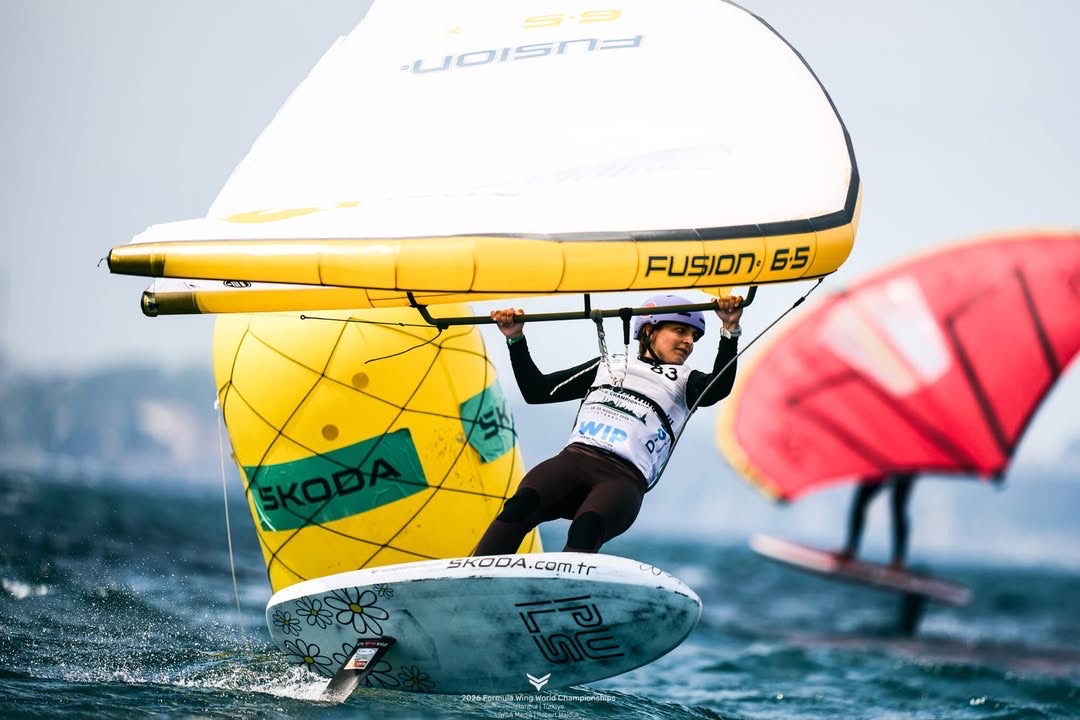
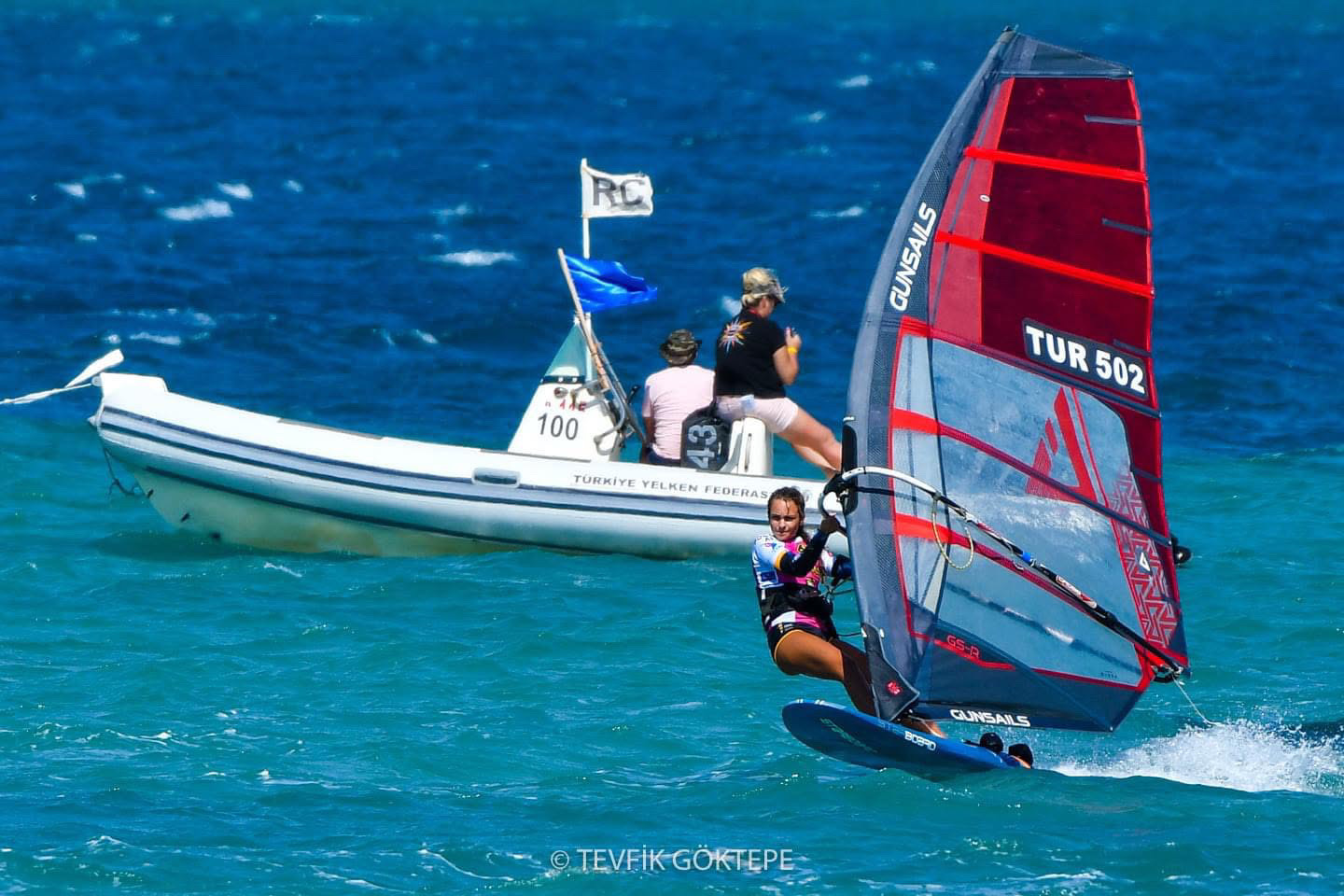
Asya Anastasya Varıcıoğlu started windsurfing in Akarca in 2012. She became Turkish champion in the Funboard Slalom class in 2019. In 2022 she finished third in the U21 category at the PWA Slalom World Championship. She races in wing foil for Cygnus Yelken Spor Kulübü and teaches at her school in Urla.
In windsurfing the sail is attached to the board by a mast and the athlete rides on the surface of the water. In wing foil the athlete holds an inflatable wing that is attached to nothing, and a foil under the board lifts it above the water.
How did a world championship bronze come after a year away?
Varıcıoğlu went into the 2022 championship unprepared. She had taken a long break from slalom and had not raced for about a year. She entered because the championship was being held in Türkiye. She raced on her closest friend’s gear.
“Finishing third in the world after a break like that was a big surprise for me too,” she says. “I saw that the will to race was still there, even though I had drifted away from the sport.”
How did a child who feared the sea stay in this sport?
Varıcıoğlu says she was afraid of the sea in her first years. “When I reached the places where the water turned dark, I would turn back straight away,” she says. She overcame the fear by going back to the same spot again and again. One day she realised she could go to the places she used to fear without a second thought.
In those years she had Okan, the man who introduced her to windsurfing and whom she calls her “abi”, and his wife beside her. Varıcıoğlu says both of them watched her every time she went out on the water and that they have a large share in where she is today.
What did this path mean for her family?
Windsurfing depends on equipment, and equipment has a direct effect on performance. Her family stretched their finances for years so that she could race. Her mother kept taking her to races while she was being treated for cancer.
“At that age I could not understand how big those sacrifices were the way I do today,” she says. “Their effort is there in every place I have raced.”
What does an athlete deal with before race day?
Varıcıoğlu says this path is harder than it looks from the outside. Alongside training, an athlete has to deal with sponsorship, budget and getting to races.
“People only see race day,” she says. “A great deal of work goes on away from the racecourse to get to that point.”
The national team jersey adds a responsibility of its own. Varıcıoğlu says wearing it means representing her country in the best way she can.
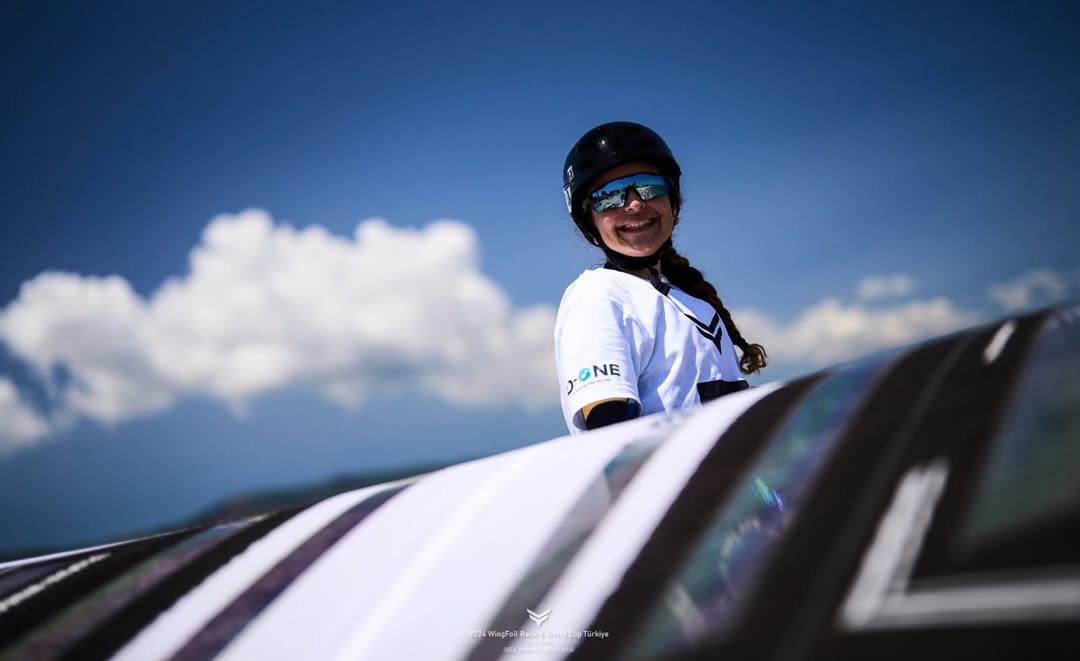
How well do the people around an athlete understand?
Racing, training and travel take up most of an athlete’s daily life. Many athletes do not have a circle of friends, a partner or a social circle that understands this routine.
Varıcıoğlu went through this too. “Even my closest group of girlfriends drifted away from me at some point, thinking that my whole life was windsurfing,” she says.
What happened when she thought she had left the sport?
Seeing no future for herself in slalom, Varıcıoğlu tried the iQFOiL class. The class required her to gain weight and the equipment was physically too heavy for her. She injured her back.
“At one point I thought I had left the sport and would never start again,” she says. She discovered wing foil in that period. When she started in Alaçatı, almost nobody around her was doing it.
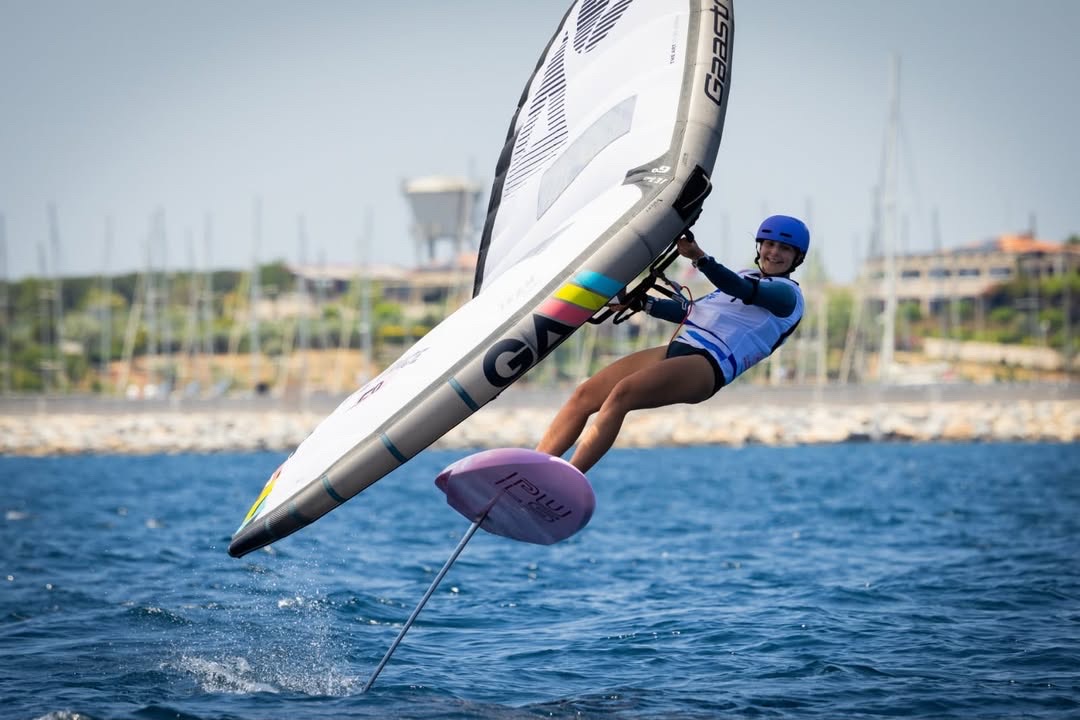
Why was it hard to learn again in wing foil?
The courses, rules and race dynamics of the new discipline were different from slalom. Varıcıoğlu had almost no experience on a trapezoid course, while her rivals had been racing on those courses for years.
“The hardest part was leaving behind the identity of an athlete who had already succeeded and accepting that I was someone who had to learn again,” she says. Her results improved as she raced more.
Where do her students in Urla fit into this story?
Varıcıoğlu says one of the main reasons she wants to race internationally is to bring what she learns there back to her students. “I want them to do far better than I have one day,” she says.
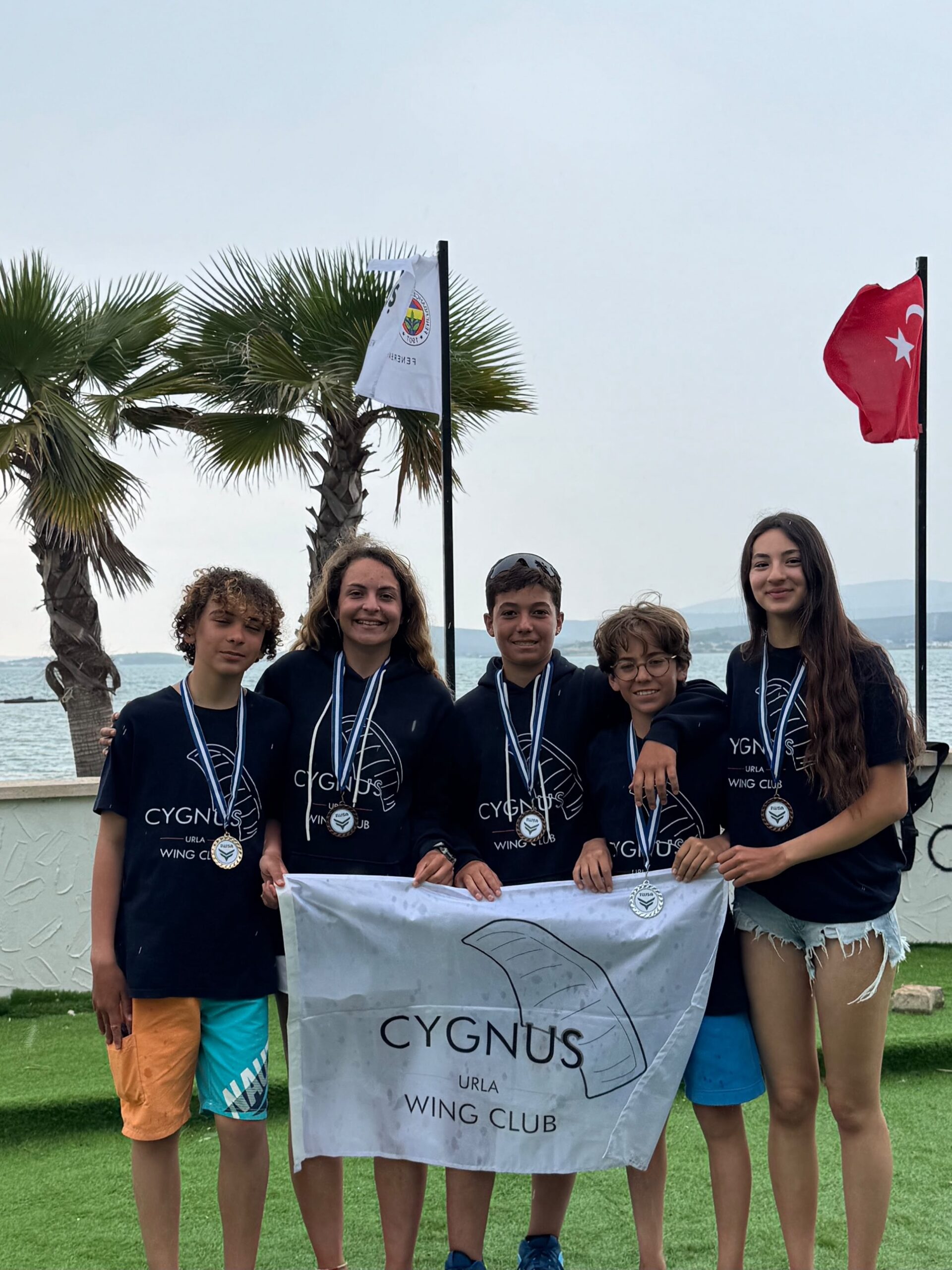
Her answer was short when asked who she is on days when the wind does not blow. “This is my whole life,” she said.
She does know what will surprise her when she looks back in ten years. “How little I set out with, and that I never gave up in spite of all of it,” she says.
Videos, interviews and live moments from the racecourse, on our Instagram.
@ruzgar.ustu
Follow on InstagramPodcast
Stories from sailing in Türkiye, told in English. Listen to Windward Türkiye on Spotify.
Listen on SpotifyRüzgar Üstü on Spotify
Keep reading
“Once the start is given, you have to stay in that moment”
A broken heel meant a long recovery ahead. The season was cut short; months later came the return to the boat, and in that first race the question was about more than just getting off the start line.
Starting yacht racing as an adult
Your thirties and forties are not too late for sailing. We explain, for beginners, how racing works, how many people it takes and who does what on board.