Sports Sponsorship Has Changed. Is Sailing Still Selling Visibility?
In sports sponsorship, value is no longer measured solely by visibility. How can sailing transform this shift into a sponsorship model built around young athletes, female sailors, athlete continuity, and the marine environment?
 Written by Rana Akkurt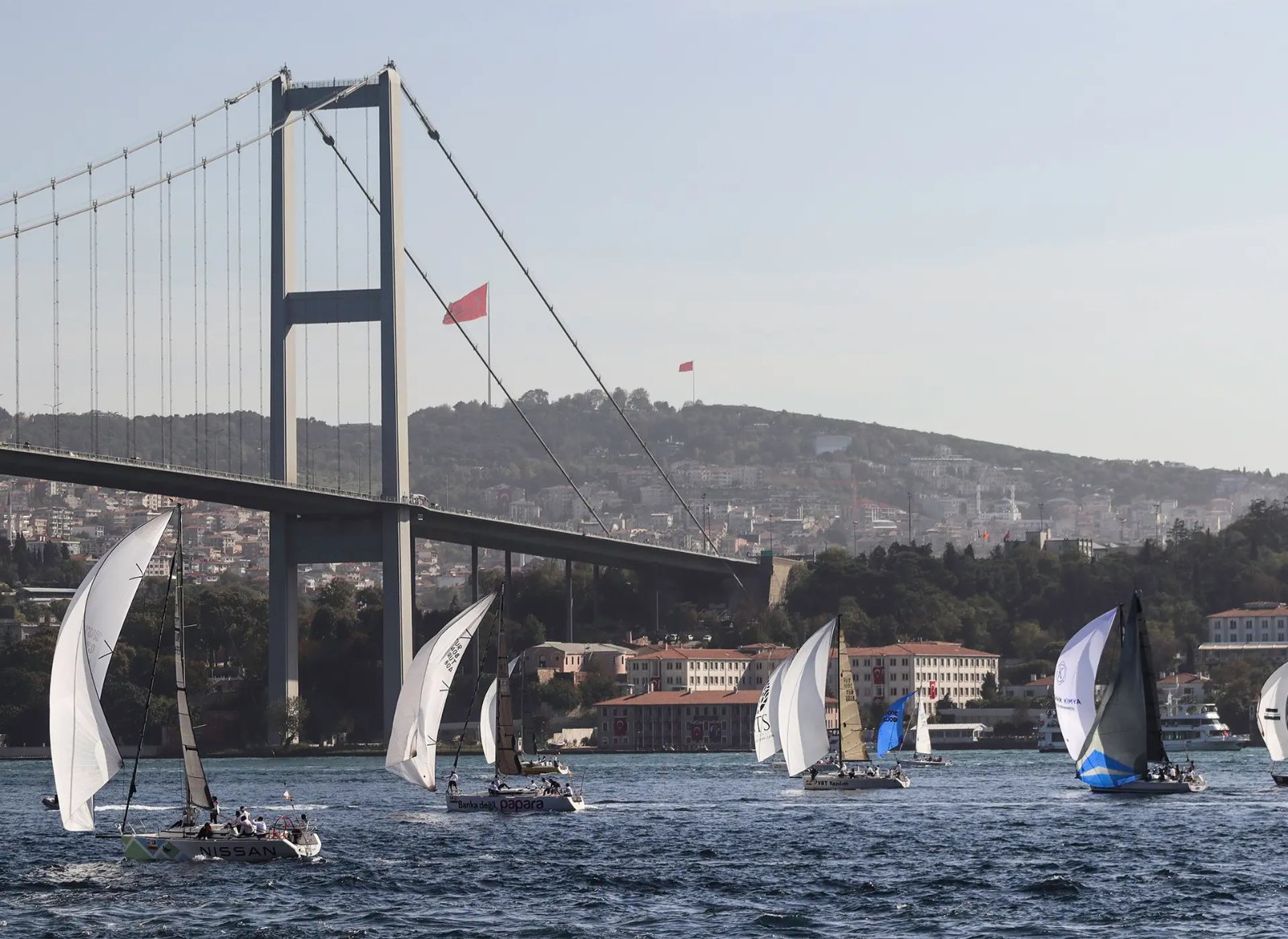
According to the Sports Sponsorships Research conducted by Hopi for Marketing Türkiye, the area where consumers approach brands most positively is investment in young athletes. Sailing has not yet transferred this change to its own offering.
Visibility does not disappear in sports sponsorship. But it ceases to be a strong justification on its own. Sailing sponsorship is not exempt from this change.
Marketing Türkiye In the Sports Sponsorships Research conducted by Hopi on its behalf, investments in the development of child and young athletes stand out as the sponsorship area where consumers approach the brand most positively. Supporting internationally successful individual athletes is also one of the areas that yields returns.
Change starts here: The value of sponsorship is measured not only by how many times the brand appears, but also by the role it assumes within the sport.
Sailing sponsorship is still explained through visibility.
Sailing is a strong field in this regard. But it still largely explains itself through visibility.
The logo on the boat, the naming rights of the race, the awards ceremony, the social media post, the media reflection, and the guest boat are part of the sponsorship deliverable. The problem is not their existence; it is that the narrative often ends right there.
Yet the areas the brand can be involved in are much wider than a racing track.
Young athletes: the most powerful social sphere of sailing sponsorship
In today's economic conditions, the continuation of a child's sports career in Optimist is not solely dependent on their performance. Boat, equipment, camp, travel, and race costs are largely borne by families. After a certain point, economic sustainability becomes just as decisive as talent.
This is literally a sailing sponsorship space.
“Having your logo seen at the Optimist race and saying ”thanks to this support, this many young athletes will be able to race for another season“ are not the same offer. The social impact and story-driven value for the brand of the second one are much stronger. Moreover, when made visible, it also serves as a reference for other clubs, schools, and brands.
Women's sailing is not a communication theme
There is a similar space in women's sailing. The issue the establishment of several women's teams or not March 8 communication; it is about women being able to stay in the race as much as they enter sailing, progress in different roles, be visible as helmsmen and team leaders, and young athletes having accessible role models.
When set up correctly, this can be a real social sponsorship program rather than just a communication theme. However, it does not grow when its impact is not measured and communicated: How many women entered the race, how many continued, which roles became visible, which team made space for others? These things are done within sailing, but they rarely turn into a shared record.
Retaining the experienced athlete in the system
Another loss for sailing is the athletes who have trained for years.
It is not surprising that athletes who reach the national team level during childhood and youth and represent Türkiye in international competitions step away from racing when university and professional life begin. Sailing requires time, travel, and a serious budget. When a career starts, maintaining this structure on one's own is not possible for everyone.
What is lost here is not just a racer; knowledge, experience, and investment built up over years are also leaving the system. Therefore, sailing sponsorship should not be thought of as limited only to training new athletes. Ensuring the continuity of the athlete is an investment area in its own right.
The athlete seeking support needs to have not only their results known, but also their journey: In which category do they compete, where did they come from, what are they aiming for, why do they need support, which international competitions are they attending? If the answers to these questions are not visible, sponsorship opportunities also narrow.
How often do you hear the name of a successful sailor in Türkiye unless you are directly involved in the sport?
The problem is not just the athlete's inability to express themselves; it is the weakness of sailing's shared narrative.
The sponsorship story of every race is different
Sponsorship offers for clubs shouldn't be similar to each other either. Because the character of the races and the audiences they can reach are not the same.
A Bosphorus race is a sports property that connects with the city and the audience. Offshore racing tells a different story through performance, endurance, navigation, technology, and crew management. In one-design racing, crew performance and competition stand out; in the match race format, tactics and head-to-head struggle; and in youth classes, athlete development.
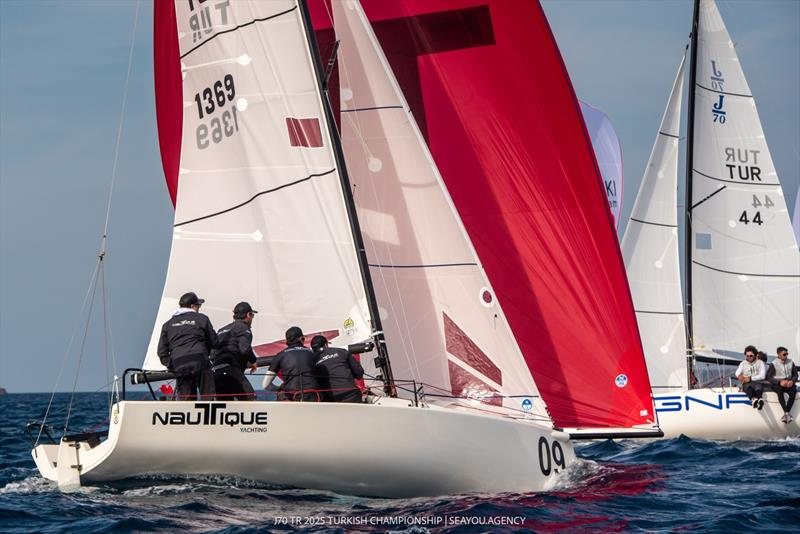
Putting the exact same “sailing sponsorship” package for all of them diminishes the value of the sport. Clubs should tell the brand not just how many races they organize, but what kind of racing world they are building. These differences need to be understandable to an outsider as well.
Marine environment and sailing economy
The future of the seas is not outside of this world either.
Sailing is one of the rare sports whose field of play is directly the natural environment. Marine pollution, coastal conservation, the environmental impact of race organizations, waste management, and awareness of the marine ecosystem are more than just a sustainability message to be attached to sailing.
With the right partnership, the race organization itself can transform into a platform operating in this field. What makes the difference is not a one-day event held on the beach; it is the brand's ability to establish a genuine relationship with the natural environment of the sport.
The same logic applies to other areas of the sailing economy: Transportation, accommodation, equipment, technology, data, security, insurance, health and nutrition. The value the sail offers to the brand is not limited to a few square meters on the boat.
International visibility is the capacity to build connections
International visibility is also critical, especially for foreign brands. Athletes from Türkiye competing in European and world championships, teams racing in international regattas, Turkish races with the participation of foreign teams, and organizations on the global calendar hold significant potential.
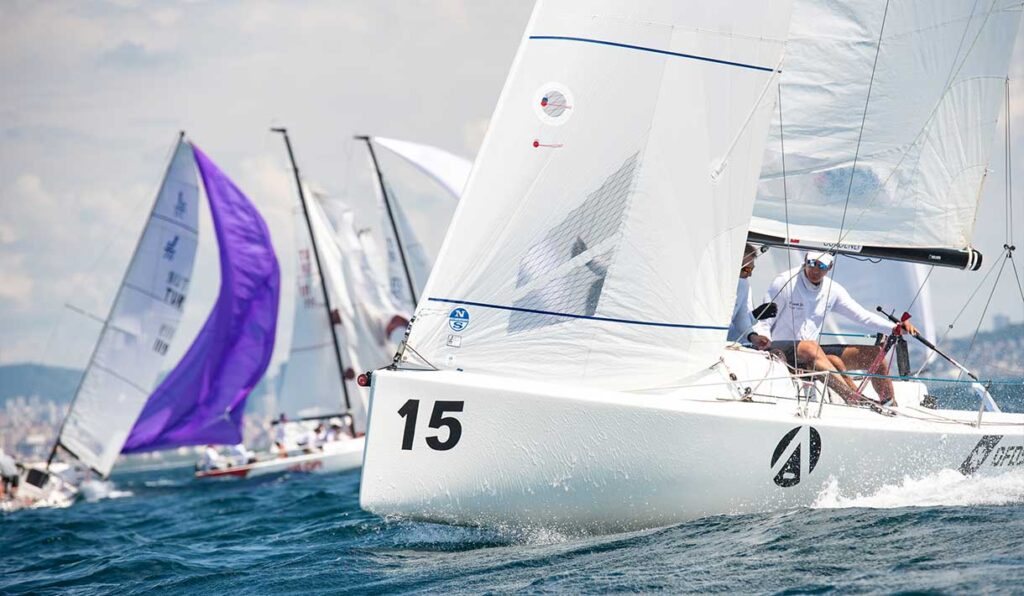
However, this requires more than just a list of English results. There needs to be an international narrative of the races, athletes, and teams in Türkiye. For a foreign brand, which countries, which races, and in front of which communities the supported structure appears are part of the sponsorship value.
Therefore, visibility is not just media access, but the capacity to connect.
How does an athlete get on a brand's radar? How does a foreign team discover a race in Türkiye? How does a club see another club's best practice? How does a brand find a genuine project that supports female athletes? How does a young sailor reach the story of someone who looks like them?
Today, a significant portion of these answers depends on coincidence. Precisely for this reason, sailing needs a more open collective memory.
The sail needs a shared memory
Rüzgar Üstü’That is also where the reason for being free lies. We cannot truly see the value in the ecosystem without creating a space where visibility is not dependent on budget.
A club's professional communications team may not serve as a PR budget for a young athlete or a source of sponsored content for the women's team. The good work done by a sailing school might remain confined to a social media post seen by just a few hundred people. The fact that these are not visible does not mean they are valueless.
That is why in Rüzgar Üstü, clubs, athletes, teams, schools, brands and good examples We are trying to gather them in the same memory. The goal is not just to produce news, but to bring together disconnected pieces.
So that a social sponsorship model that works in one place can be seen by another club. So that an athlete is known for their story as much as their results. So that a brand can explain why its investment is meaningful. So that a strong example from Türkiye can be carried to the international community with English content.
This is how a sense of belonging is also formed: when a person sees themselves not only as the result of a race, but as part of an ecosystem; when the club recognizes its role in a larger structure; when the brand sees that its support creates a genuine impact.
The sponsorship area of sailing is not narrow. Its narrative is scattered, its visibility is unequal, and its memory is fragmented.
That is why the shift in sports sponsorship is an important opportunity for sailing. It is no longer enough to just tell a brand “you will be visible here.” It is necessary to show what sailing produces, who it develops, which value it grows, and which community it holds together.
First step in sailing sponsorship: clubs, athletes, brands
For this, before the next season begins, clubs must re-inventory their sponsorships and separately define the targets, budgets, reach, and social impact indicators for every race, team, and youth program. Athletes must regularly share not only their standings, but also their goals, needs, race calendars, and development stories. Brands, on the other hand, should not content themselves with just placing their logos, but must take ownership of at least one measurable problem: the seasonal expenses of a young person, the continuity of a women's team, an athlete's international race program, or the environmental impact of a race.
The first step is simple: Clubs should come to the table with a concrete need and a measurement plan; athletes should make themselves and their goals visible; brands should commit to one-year, results-trackable programs. At the end of the season, every partnership should be able to answer this question: Not how many people we reached, but what did we change in whose life?
The future of sailing sponsorship requires not more logos, but more shared responsibility. This transformation will not happen on its own. If clubs, athletes, and brands do not take action today, visibility will once again be scattered; if they do act, sailing will transform into a sporting arena that not only hosts competitions but generates value and can prove it.
Rüzgar Üstü is also trying to make this table visible and accessible.

We have brought together the models brands can use to take part in sailing, how to choose based on objectives and how the investment is measured in our Sailing Sponsorship Guide.
ABB’s Ferrari Hypersail partnership: from visibility to product development
Videos, interviews and live moments from the racecourse, on our Instagram.
@ruzgar.ustu
Follow on InstagramPodcast
Stories from sailing in Türkiye, told in English. Listen to Windward Türkiye on Spotify.
Listen on SpotifyRüzgar Üstü on Spotify
Keep reading

When does carrying a trophy become a brand strategy?
The trophy of the 25th Bosphorus Cup is being transported in a new box this year. Misela designed the box. Louis Vuitton's history of over 40 years in trophy trunks offers a good lens through which to read this small collaboration.
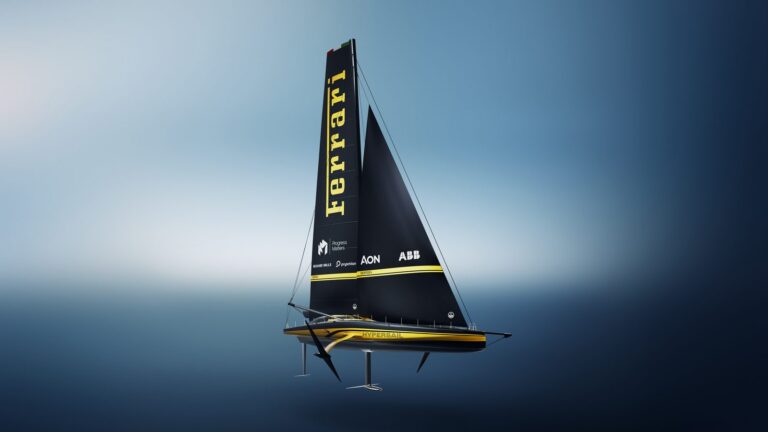
Can sailing become a product development ground for brands?
ABB has become the electrical and energy systems partner of the Ferrari Hypersail. This is not a visibility-buying sponsorship, but a product development relationship that operates under real conditions. So, what could be the equivalent of this in Türkiye?
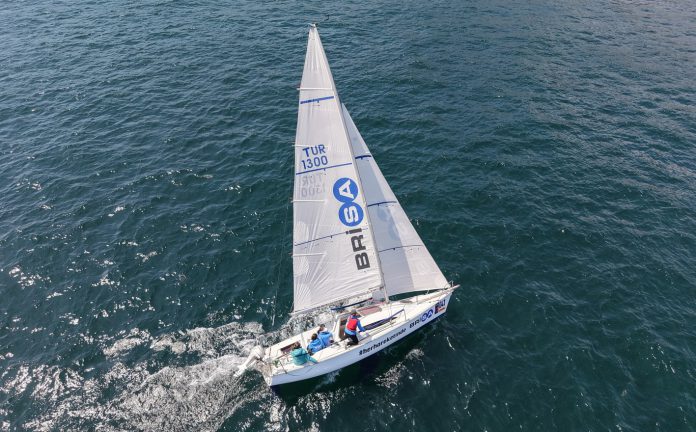
What Is Brisa Doing on a Sailboat?
A brand that talks about mobility on land: why would it build an all-women sailing team? The Brisa Women’s Sailing Team has been racing in the Sportsboat class since 2024.