What Is Brisa Doing on a Sailboat?
Why would a brand that talks about mobility on land build an all-women sailing team?
 Written by Rana Akkurt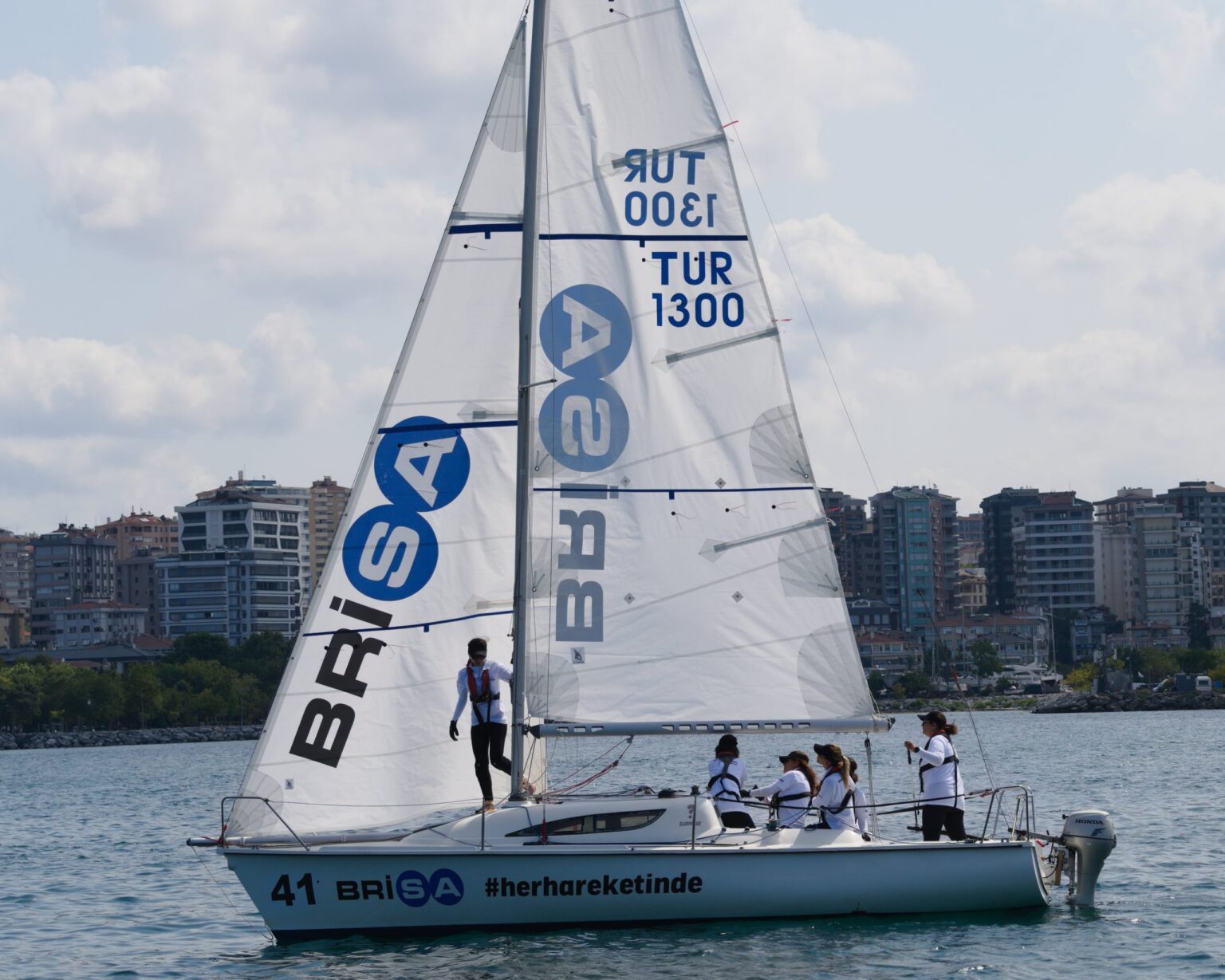
This time on Rüzgar Üstü we look at an all-women sailing team and the brand that keeps it on the race course.
At first glance, Brisa’s world looks a long way from the sea. Tyres, roads, vehicles and mobility make up the company’s core business. Since 2024, however, the company has not left the idea of movement on land alone: with the all-women Brisa Women’s Sailing Team, it races at sea as well.
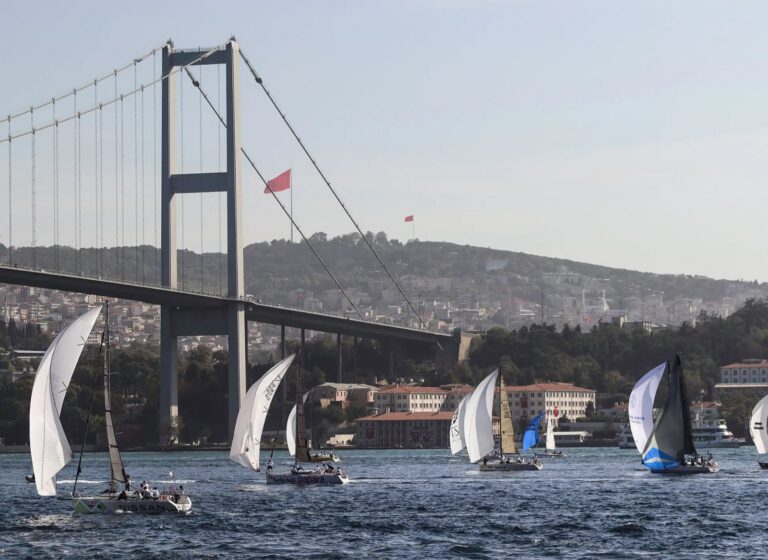
The team competes in the Sportsboat class and was on the race course again this season. At the 23 April Çanakkale Cup it received the Sportsboat Class Women’s Sailing Team Special Award and finished third overall. At the second leg of the Sportsboat Trophy on 24 May, it came first among women’s crews in the Sportsboat B General Category and third in the B2 category.
But it is not only the results that make Brisa’s story on the water interesting.
How does a land-based brand find its place at sea?
The brands that first come to mind in sailing sponsorship are usually maritime, tourism or directly sports-related companies. The Brisa example points to another possibility.
For a brand to build a meaningful relationship with sailing, its product does not have to be directly connected to the sea.
Brisa defines its field of activity through mobility. And it approaches mobility not simply as a vehicle going from one point to another, but as people being able to move and new space opening up in front of them.
Carried over to the sea, that approach turns into a women’s sailing team.
The link here is not an artificial relationship forced between a tyre and a boat. It is the brand’s idea of “movement” finding an echo in a different field.
Why women sailors?
According to the Turkish Sailing Federation’s current list of licensed athletes , 1,918 of the 5,858 licensed sailors in the 2026 season — around 33 per cent — are women (30 August 2026).
Another thing that sets Brisa’s choice in sailing apart is that the entire team is made up of women.
Increasing women’s visibility in sport is not only about more women taking part in races. Building structures where they can train regularly, develop together and keep racing through the season is an important part of it too.
Taking part in a single race is possible.
Building a team that can race for a whole season takes budget, organisation, equipment and continuity.
This is exactly where Brisa’s investment matters. The brand does not simply stand beside a race or an event: it directly supports the team’s existence and keeps the sailors out on the course.
That is why the logo on the boat is the result of the story. Not the story itself.
You do not have to be a marine brand to invest in sailing
The Brisa Women’s Sailing Team is an example worth pausing on for brands as well.
When sponsorship in sailing comes up, what companies are usually offered is visibility, logo space on the boat or event sponsorship. All of that has value. But for brands that want a longer-term bond with the sport, there is another question:
Which subject that our brand stands for can find a real echo in sailing?
The answer can be different for every company.
A technology brand might focus on performance, a financial institution on teamwork, a sustainability brand on protecting the seas, and a mobility company on movement.
Brisa’s answer has been movement, and the space for women to move.
And the result is a racing team rather than a sponsorship that lasts a few days.
Today the Brisa Women’s Sailing Team races on Sportsboat courses, takes places and carries on with its season.
But there is a wider story the team tells us.
If we want more investment to come into sailing in Türkiye, looking only at the marine industry is not enough. The real opportunity lies in brands from other sectors being able to build a meaningful link between their own values and sailing.
In Brisa’s case, that link is built through mobility and the space for women in sport. What comes out of it is not just a sponsored race, but a women’s team that stays on the course all season.
Perhaps the real question for brands is not “How relevant is sailing to our sector?”
What can we help grow in sailing?
Videos, interviews and live moments from the racecourse, on our Instagram.
@ruzgar.ustu
Follow on InstagramPodcast
Stories from sailing in Türkiye, told in English. Listen to Windward Türkiye on Spotify.
Listen on SpotifyRüzgar Üstü on Spotify
Keep reading
When does carrying a trophy become a brand strategy?
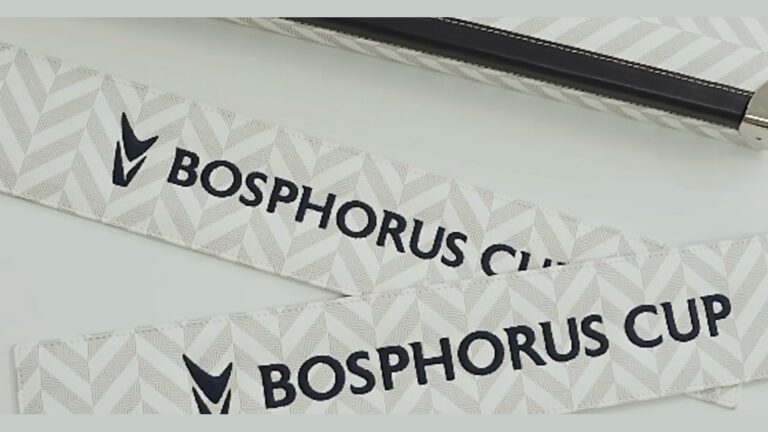
The trophy of the 25th Bosphorus Cup is being transported in a new box this year. Misela designed the box. Louis Vuitton's history of over 40 years in trophy trunks offers a good lens through which to read this small collaboration.
Can sailing become a product development ground for brands?
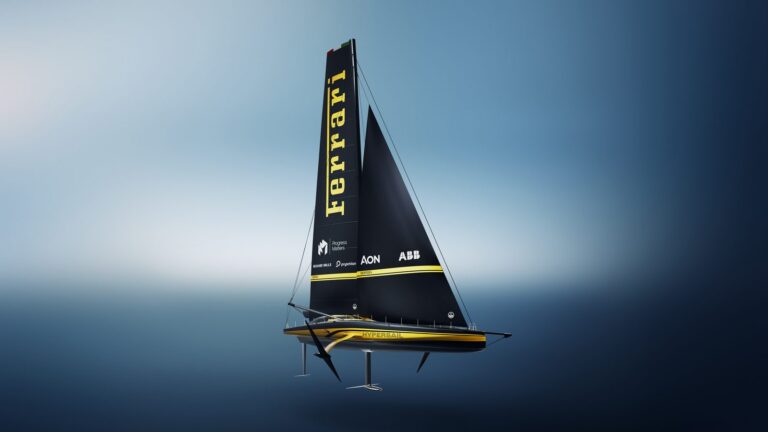
ABB has become the electrical and energy systems partner of the Ferrari Hypersail. This is not a visibility-buying sponsorship, but a product development relationship that operates under real conditions. So, what could be the equivalent of this in Türkiye?
Sports Sponsorship Has Changed. Is Sailing Still Selling Visibility?
In sports sponsorship, value is no longer measured solely by visibility. How can sailing transform this shift into a sponsorship model built around young athletes, female sailors, athlete continuity, and the marine environment?