How to choose the right sponsorship model in sailing?
The same budget can be allocated to a race, a team, an athlete, or a development program. It is the goal, not visibility, that determines which one is right.
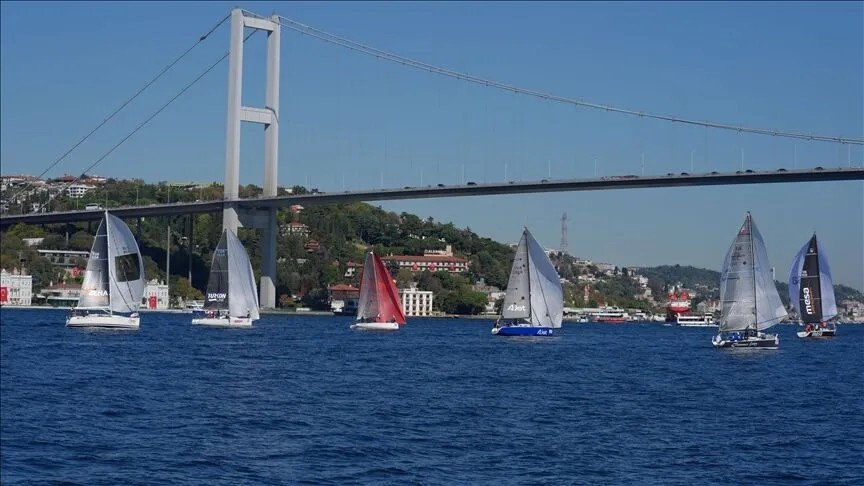
There is no single sponsorship model for brands in sailing. A brand can sponsor a race, establish its own team, have its employees compete in a race, support professional athletes, create a development program for young athletes, form a women's team, invest in a club's grassroots infrastructure, or take a team from Türkiye to international races. Each of these options requires a different marketing objective, a different target audience, and a different measurement model.
Therefore, when investing in sailing, the first question should not be “which sponsorship package should we get?” First, what the brand expects from this area must be defined. Objectives such as awareness, customer relations, employee engagement, social impact, international growth, identification with athletic performance, or creating a long-term brand platform point to different sponsorship models.
- 01Define your investment goal
- 02Clarify the target audience
- 03Evaluate product and category compatibility
- 04Race sponsorship or team investment?
- 05Choose the boat and racing class according to the strategy
- 06Consider international visibility as a separate strategy
- 07Establish social impact as a long-term program
- 08Design an experience around the race
- 09Set up the measurement model before investing.
- 10Different results can be created with the same budget
Define your investment goal
The most common mistake in sailing sponsorships is choosing the investment model without setting goals. A major race can provide high reach, but it may not be the right model for a brand aiming for employee engagement. Similarly, for a company targeting international growth, a professional team competing in the target market can generate higher strategic value rather than a race that only creates high visibility in Türkiye.
If brand awareness is the priority, races with high media potential, audience visibility, digital reach, and content creation capacity can be considered. If customer relationships and business development are the goal, hospitality, guest boats, networking, team meetups, and race-day experiences become more important. If employee engagement is targeted, a team consisting of employees or corporate programs extending from training to racing may be more appropriate. If social impact is targeted, areas such as youth athlete development, the retention of women in sports, the marine environment, or access to sports can be prioritized.
The basic principle here is simple: the sponsorship model should be chosen based on goals, not visibility.
Clarify the target audience
Sailing is not a sport that reaches a single target audience. Corporate decision-makers, high-income groups, athletes, families, youth, club communities, the marina environment, employees, international teams, and digital followers are all found at different touchpoints.
Therefore, when choosing a race or a team, looking only at total reach is not enough. It must be evaluated whether the audience the brand wants to reach is actually present within that structure. For a B2B brand, a race with a limited number of participants but the right decision-makers can be much more valuable than another organization reaching a much broader yet scattered audience. For a brand looking to reach young consumers, one-design, sportsboat, or youth classes can create more suitable content and community space.
Sponsorship decisions made without target audience analysis often produce high visibility but low strategic return.
Evaluate product and category compatibility
In sailing, the strongest sponsorships are those where the brand is not merely visible, but its product or service becomes a genuine part of the experience.
Technology companies can be involved in live tracking, data, performance analysis, or race communication. Mobility brands can take ownership of team and guest transfers. Hotel groups can become the accommodation partner for international teams or race organizations. Apparel and equipment brands can enter into daily and technical use by the team. Finance, insurance, health, nutrition, logistics, and communication companies can solve one of the real needs of the race.
This model is stronger than classic logo visibility because the brand takes on a functional role within the experience. The product is used, tested, generates content, and the rationale for the sponsorship becomes more natural.

Race sponsorship or team investment?
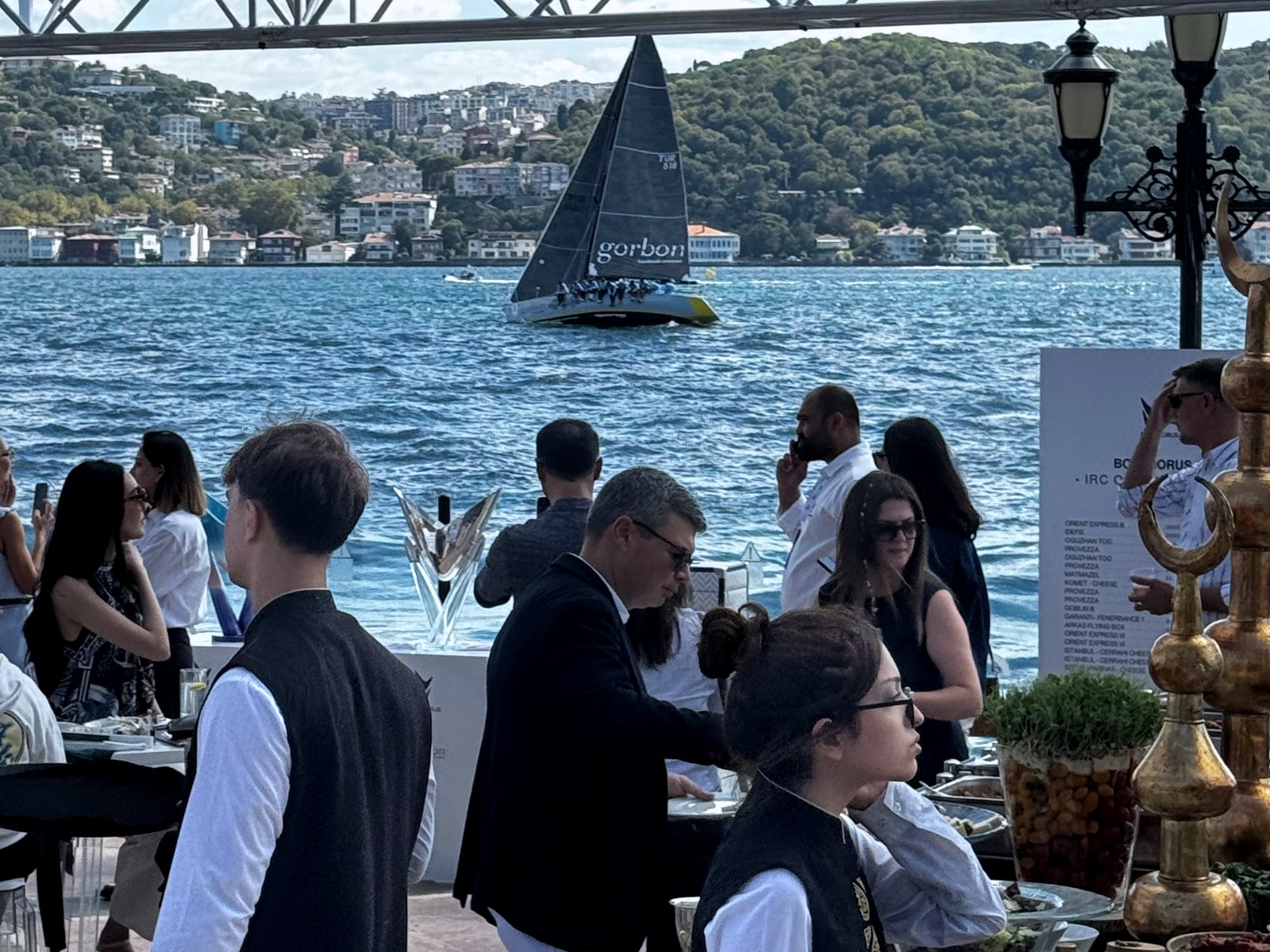
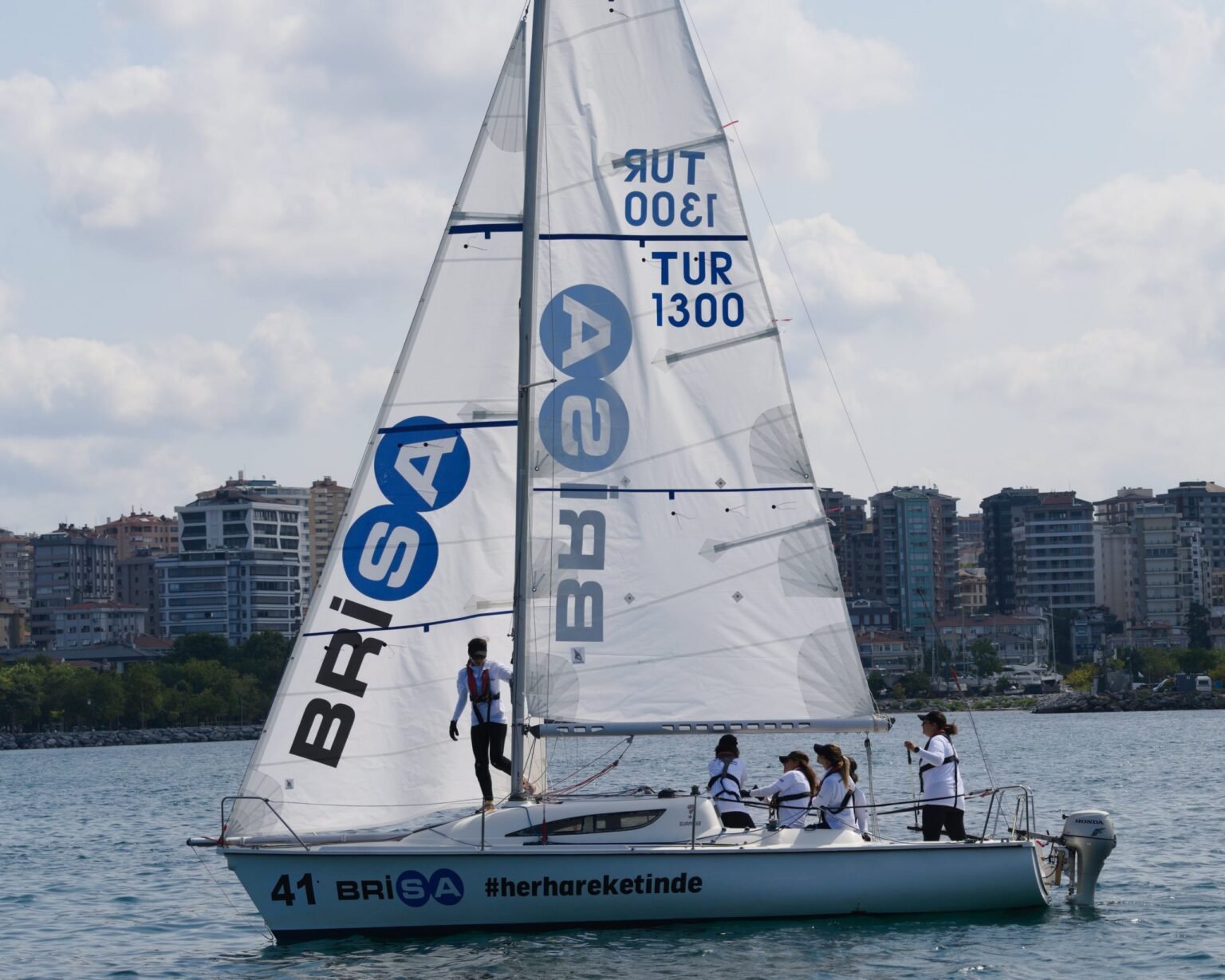
There are two main models of sailing investment: becoming a partner of the race or organization, or being part of the competing side. These two models are not mutually exclusive. A brand can simultaneously sponsor a race and race its own team. The critical issue here is to be clear about which purpose the investment serves.
Race sponsorship
It is powerful for creating broad visibility and multiple touchpoints. Naming rights, the race course, media, the awards ceremony, digital broadcasting, hospitality, and content production can work together. Race selection should not be based solely on the number of boats or past reach data; the character of the race, participant profile, relationship with the city, international nature, and the experiential space it opens up for the brand should be evaluated together.
Team investment
It can create a longer-lasting and more ownable brand platform. The team consisting of employees is valuable in terms of employee engagement and corporate culture. The hybrid model, where employees and professionals compete together, balances internal engagement with athletic performance. The fully professional team, on the other hand, provides the brand with a continuous athletic presence, content creation, and performance narrative throughout the season.
Choose the boat and racing class according to the strategy
Investing in sailing does not have to start with a large boat. The boat class and racing format must align with the brand's objective.
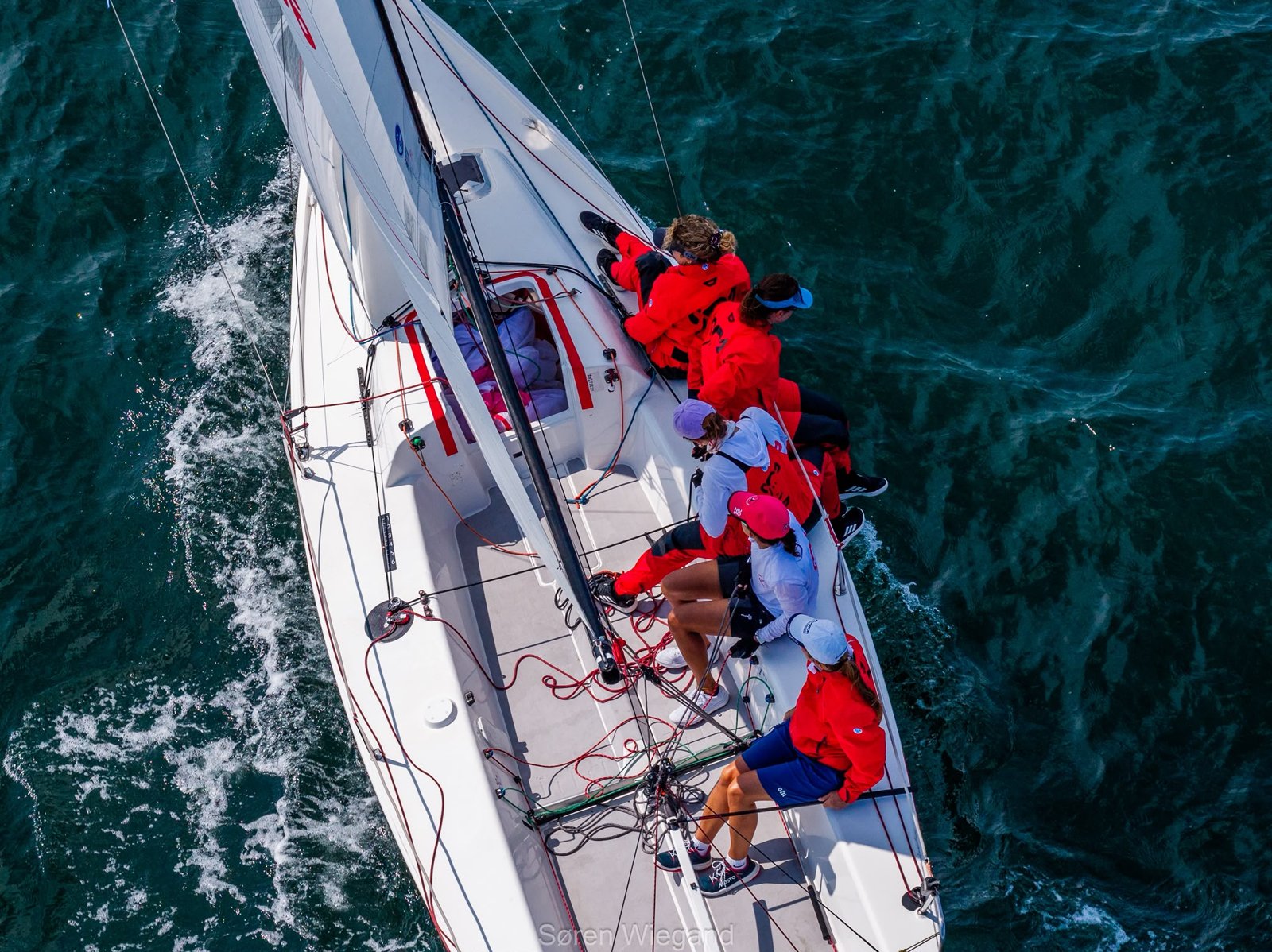
Classes such as the J/70 and sportsboats offer smaller crews, short races, and intense athletic competition. This structure can be suitable for youth teams, women's crews, professional racing programs, or working teams. The one-design format reduces technical differences between boats, thereby making crew performance more visible.
In larger yacht classes, offshore racing, long-distance, large crews, technical preparation, hospitality, and diverse content opportunities come into play. Bosphorus races are strong in terms of city visibility and visual impact. Offshore races build a deeper brand narrative through performance, endurance, technology, and crew management. Match racing, on the other hand, offers a completely different experience based on head-to-head competition and tactics.
Therefore, the choice of boat and race should not be made with the question “which one is more prestigious?”, but rather in conjunction with the objective, target audience, and content strategy.
Consider international visibility as a separate strategy
For brands aiming for international growth, sailing is not merely a sponsorship platform to be used solely within Türkiye. It is possible to form a professional team from Türkiye and participate in major races in the target market. A team entering a strong regatta in Italy, France, Spain, or another market can create a distinct platform for the brand in terms of local media, customer relations, distributor networks, and digital content.
In this model, the brand enters the target market not only through advertising, but by competing physically. However, for this to work, it is not enough for the team to be merely strong athletically. English communication, content creation, race calendar, media relations, and local activation plans must also be designed from scratch. International racing can therefore be evaluated not only from the sports budget, but also from the growth and brand strategy budget.
Establish social impact as a long-term program, not a separate campaign
There is no need to manufacture an artificial theme for social impact in sailing. The sport already has real and measurable needs within it.
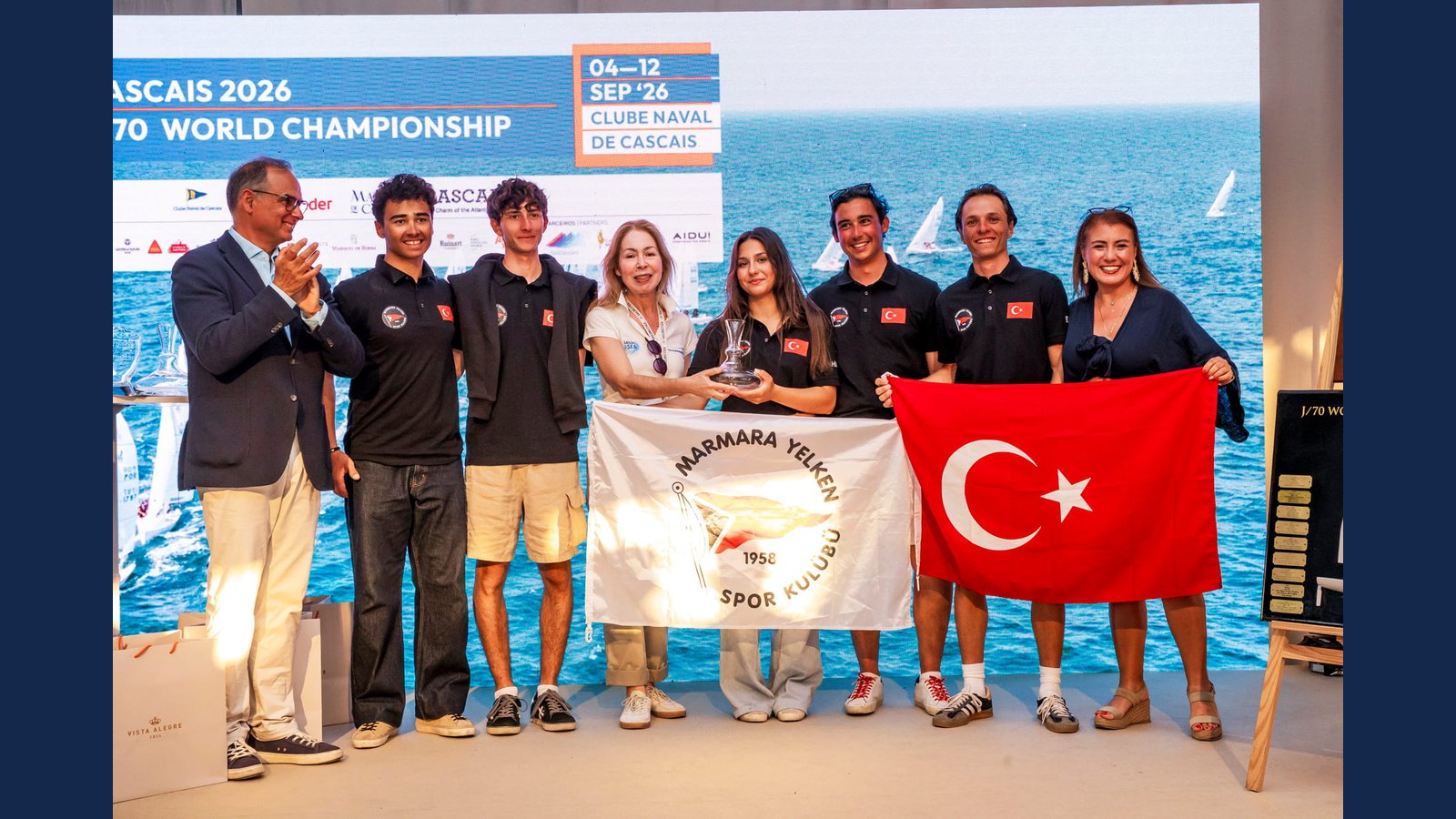
The boat, equipment, camp, travel, and racing costs of children competing in grassroots classes are largely covered by their families. A brand can undertake the training and racing costs of a certain number of athletes for multiple seasons. Together with a sailing school or club, it can train students from scratch and bring them to the racing level.
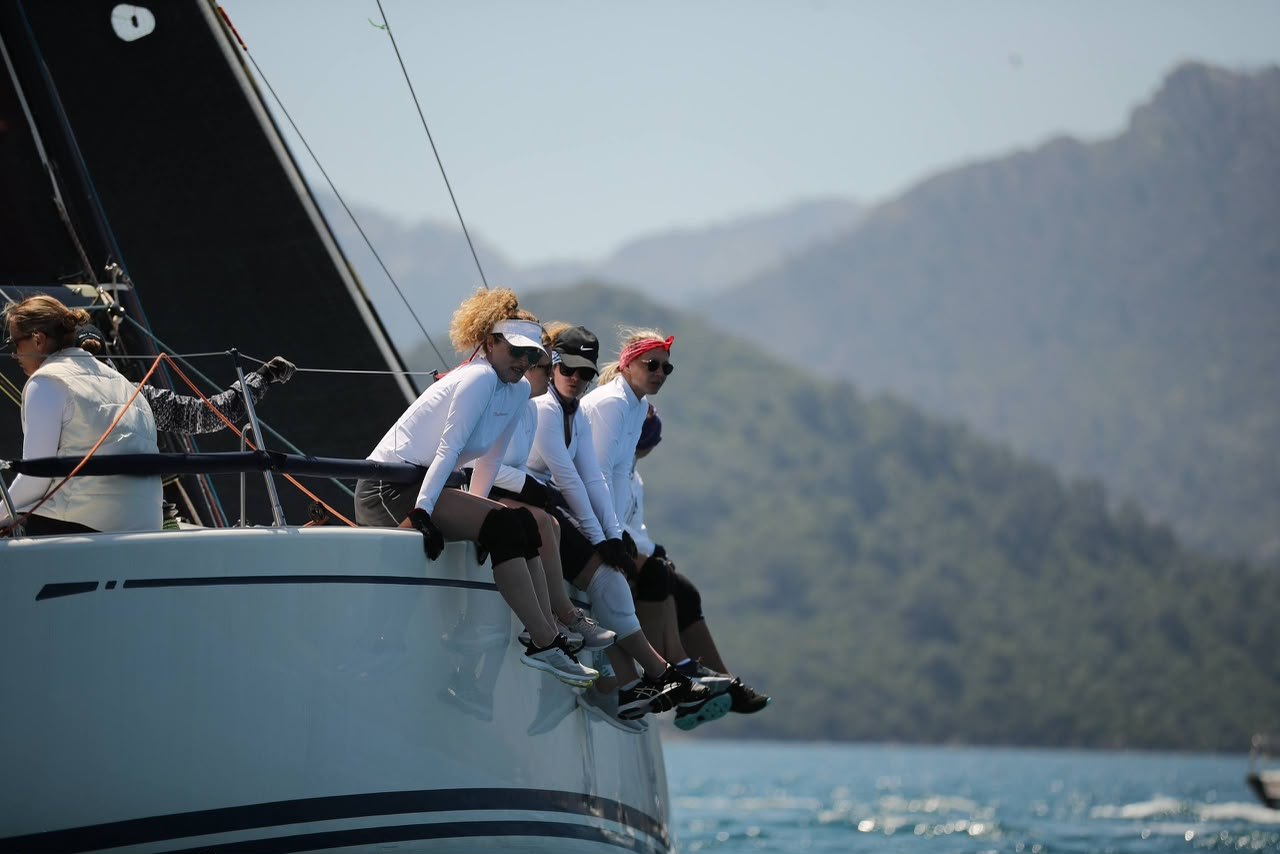
Women's participation in sailing and staying in racing can also be addressed as a sustainable program. A women's team can be established, regular training and racing schedules can be provided, and professional support can be given. Similarly, bringing athletes who have competed at the national level in the past but have drifted away from the sport due to education, career, or economic reasons back into racing can also be a meaningful investment area.
Marine conservation, coastal ecosystems, waste management, and sustainable racing events offer a distinct social impact area due to sailing's direct relationship with the natural environment. The brand value of these programs emerges not only in communication, but in measurable results.
Design an experience around the race
Race day is not a campaign on its own. A significant portion of sponsorship value is created before and after the race.
Prior to the race, communication can be established through team preparations, athlete profiles, technical content, the route, training, and race strategy. During the race, hospitality, guest boats, product experiences, brand areas, live tracking, data screens, networking, and athlete meetups can come into play. On the digital side, onboard content, short videos, interviews, live streaming, data visualizations, and social media series can be utilized. After the race, performance analysis, athlete stories, the continuation of the season, and the results of sponsor contributions become part of the communication.
In the successful model, the onsite experience, digital content, media visibility, and customer touchpoints are designed not separately, but within a single campaign architecture.
Set up the measurement model before investing.
Sponsorship measurement should not begin with a media report prepared after the race has ended. KPIs must be determined alongside the investment decision. It is possible to approach measurement in three layers.
Visibility
Total reach, media coverage, broadcast duration, social media reach, video views, brand mentions, web traffic, and search volume.
Interaction
Hospitality participation, customer and partner meetings, event experience, content consumption, employee engagement, lead generation, and community interaction.
Impact
Change in brand perception, employee engagement, new customer relationships, visibility in the international market, or the real results of the social program.
In the youth athlete program, success is not just about how many people are reached; it is about how many athletes stay in the program and reach the competitive level. In international team investment, visibility and relationships in the target country are important, not just total reach. In the employee team, media reach may be secondary, while participation and engagement can be more meaningful.
The right KPI determines the right investment model.
In a sailing investment, the budget alone does not determine the strategy.
The same budget can be divided into six different models. None of these options is automatically better than another. The right choice is determined by the brand's target audience, marketing objective, investment duration, and the result it wants to measure.
Therefore, a sponsorship decision in sailing should not be treated like a media buying decision. It should rather be evaluated as a brand platform investment.
What does Rüzgar Üstü do for brands?
Rüzgar Üstü is an independent, non-profit publishing platform established to increase the visibility of sailing in Türkiye. We have no institutional ties to any club, sailing school, racing organization, or federation. To impartially record who is where in sailing, what each race means, which structure is strong in what area, and what brands support, one must not be part of any side.
We do not want brands to look at sailing solely through the lens of sponsorship portfolios. We strive to simplify decision-making by making races, teams, athletes, clubs, sailing schools, and sponsorship examples visible within a single framework. Rüzgar Üstü is not an organization that sells sponsorship packages; it is an independent resource that makes the sailing ecosystem more understandable, comparable, and accessible.
Contact
Rüzgar Üstü does not endorse any brands associated with a specific club, sailing school, race, team, or athlete. This approach is a natural part of our editorial independence.
Brands that want to get information about the sailing ecosystem, benefit from the archive, understand different models, or develop content together can contact us.